
Ovarian cysts are common among women, but certain types like endometriomas require specialized care. A large bilateral endometrioma can cause severe pelvic pain, irregular periods, and fertility issues.
With advancements in medical science, laparoscopic ovarian cystectomy has become the gold standard treatment—offering safer procedures and faster recovery.
What is an Endometrioma?
An endometrioma, often called a “chocolate cyst,” is a type of ovarian cyst formed due to endometriosis. It occurs when endometrial tissue grows inside the ovaries.
Common Symptoms:
- Chronic pelvic pain
- Pain during periods (dysmenorrhea)
- Pain during intercourse
- Infertility issues
- Heavy or irregular menstrual cycles
What is Laparoscopic Ovarian Cystectomy?
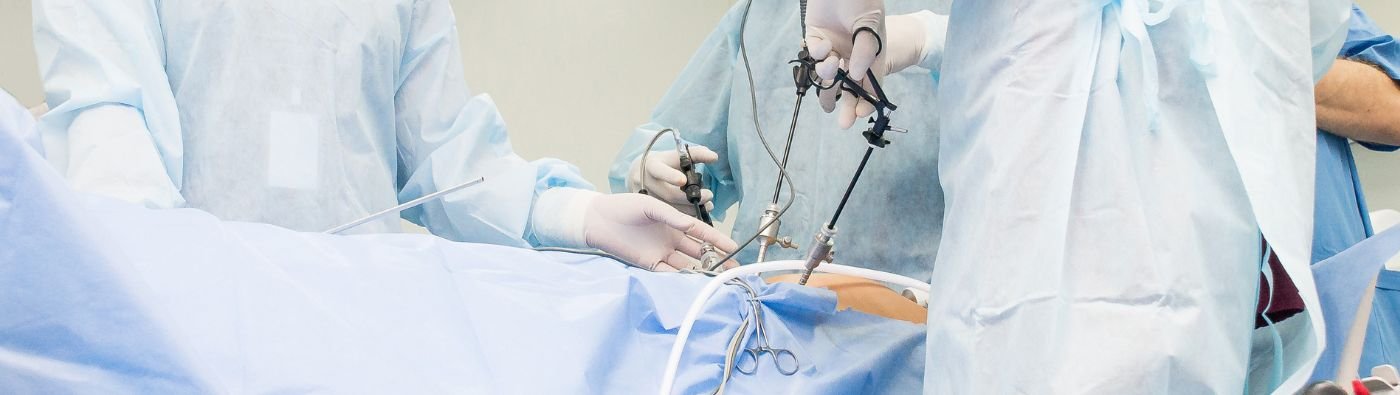
Laparoscopic ovarian cystectomy is a minimally invasive surgical procedure used to remove ovarian cysts while preserving healthy ovarian tissue.
Instead of a large incision, small cuts are made, and a camera (laparoscope) helps the surgeon perform the procedure with precision.
Why Choose Laparoscopic Surgery?
✅ Key Benefits:
- Smaller incisions
- Minimal pain
- Faster recovery
- Less blood loss
- Reduced hospital stay
- Better cosmetic results
This technique is especially effective in managing bilateral endometriomas, ensuring optimal outcomes.
Case Highlight: Successful Management
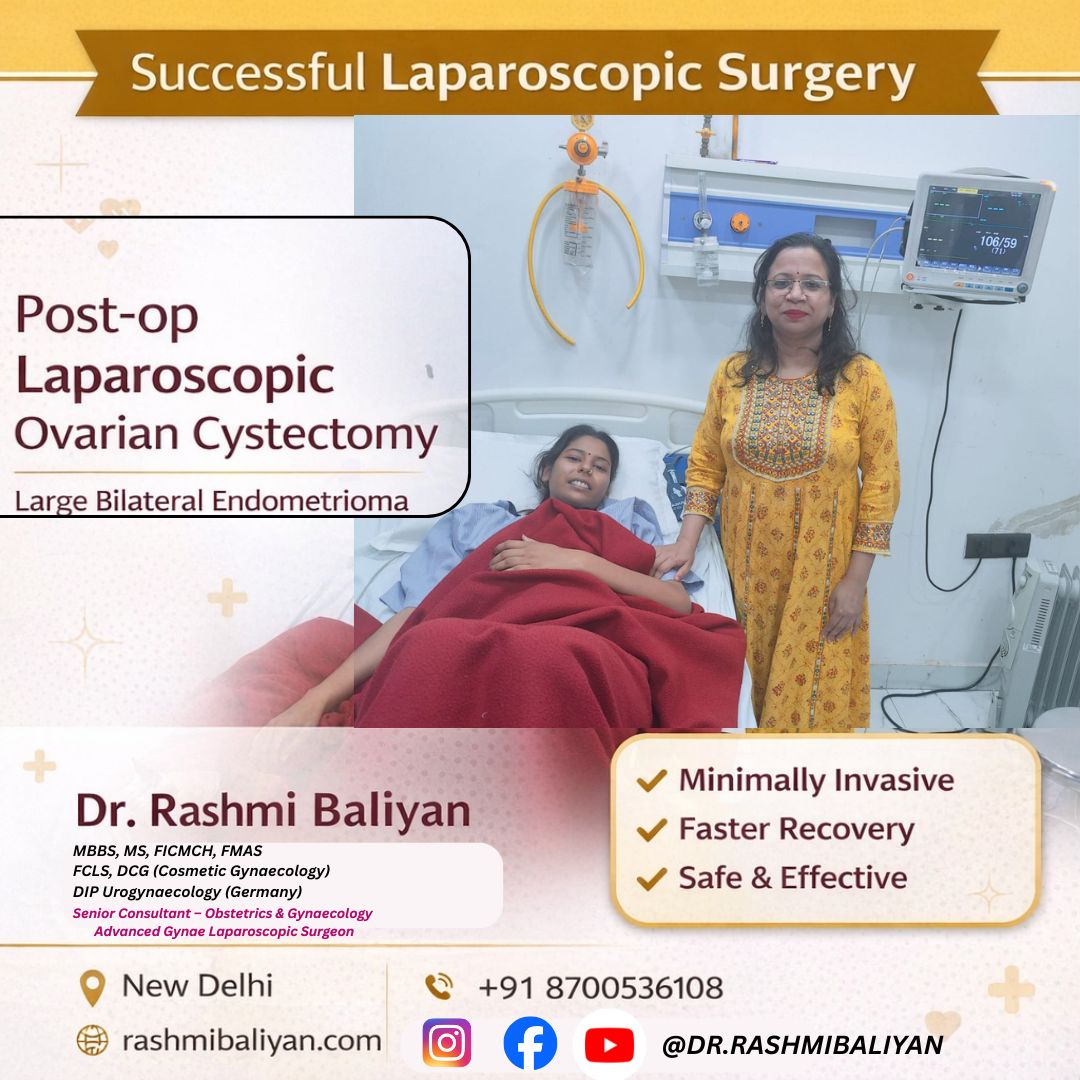
A recent case of large bilateral endometrioma was successfully treated using laparoscopic ovarian cystectomy.
The surgery was performed with advanced techniques, ensuring:
✔ Complete cyst removal
✔ Preservation of ovarian function
✔ Smooth post-operative recovery
The patient is stable and recovering well.
Recovery After Surgery
Recovery after laparoscopic surgery is usually quick compared to traditional open surgery.
🕒 Recovery Timeline:
- Same-day or next-day discharge
- Return to routine activities within 1–2 weeks
- Full recovery in 3–4 weeks
💡 Post-Surgery Care Tips:
- Follow prescribed medications
- Avoid heavy lifting initially
- Maintain a healthy diet
- Attend follow-up visits
When Should You Consult a Doctor?
You should seek medical advice if you experience:
- Persistent pelvic pain
- Irregular or painful periods
- Difficulty conceiving
- Sudden severe abdominal pain
Early diagnosis can prevent complications and improve outcomes.
Expert Care You Can Trust
Dr. Rashmi Baliyan
MBBS, MS, FICMCH, FMAS
FCLS, DCG (Cosmetic Gynaecology)
DIP Urogynaecology (Germany)
Senior Consultant – Obstetrics & Gynaecology
Advanced Gynae Laparoscopic Surgeon
📍 New Delhi
📞 +91 8700536108
🌐 https://rashmibaliyan.com


One thought on “Laparoscopic Ovarian Cystectomy for Endometrioma | Dr. Rashmi Baliyan”