
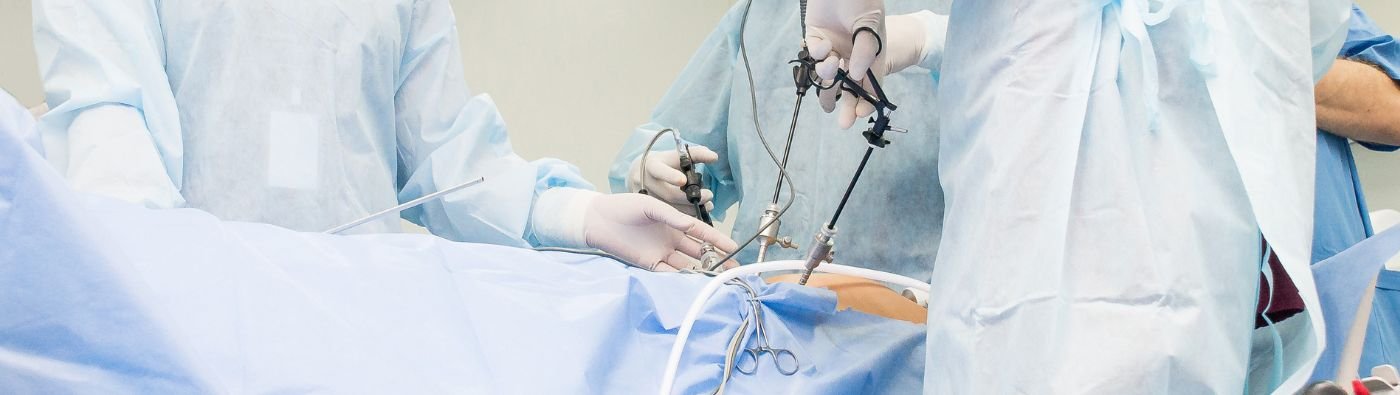

Hysteroscopic surgery is one of the most important of these techniques. It is used to diagnose and treat a wide range of conditions affecting the uterus — from abnormal bleeding and fibroids to infertility and recurrent miscarriage. At our practice, it is one of the procedures we perform most frequently, and it is also one of the most misunderstood.
What Is Hysteroscopy?
A hysteroscopy is a procedure in which a thin, lighted telescope-like instrument called a hysteroscope is gently passed through the vagina and cervix into the uterus. No incision is made anywhere on the body. The hysteroscope carries a small camera that sends images to a monitor, allowing the surgeon to clearly see the inside of the uterine cavity.
It is considered the gold standard technique for evaluating and treating conditions inside the uterus. What makes it particularly valuable is that it can be both diagnostic and operative — meaning the surgeon can identify a problem and treat it in the same session, without the need for a second surgery.
A diagnostic hysteroscopy typically takes 5 to 15 minutes. An operative hysteroscopy — where treatment is performed — can take anywhere from 20 minutes to just over an hour, depending on the complexity of the condition. Most patients go home the same day.
When Is a Hysteroscopy Recommended?
There are several situations where a hysteroscopy becomes the most appropriate next step in diagnosis or treatment. Some of the most common ones we see in our practice include:
Abnormal Uterine Bleeding
Heavy or irregular menstrual bleeding is one of the most frequent reasons women are referred for hysteroscopy. When bleeding does not respond to medication, or when a cause needs to be confirmed visually, hysteroscopy provides a direct, clear view of the uterine lining. Conditions like endometrial polyps, submucosal fibroids, or hyperplasia are often only visible through this method — not on ultrasound alone. Bleeding after menopause also warrants a hysteroscopic evaluation to rule out endometrial cancer as a cause.
Uterine Fibroids
Not all fibroids require surgery, and not all fibroids that require surgery are treated the same way. Submucosal fibroids — those that grow into the uterine cavity — are the ones most effectively treated hysteroscopically. A procedure called hysteroscopic myomectomy removes these fibroids without any external incision, preserving the uterus. This is an important option for women who still want to conceive. The recovery is quick, and most patients resume normal activity within a few days.
Endometrial Polyps
Endometrial polyps are small, non-cancerous growths from the inner lining of the uterus. They can cause irregular bleeding, spotting between periods, and in some cases, difficulty conceiving. Hysteroscopic polypectomy — the removal of these polyps — is a straightforward procedure performed through the hysteroscope with no incisions. Postmenopausal women with polyps are advised to have them evaluated, as a small percentage can carry malignant changes.
Infertility and Recurrent Miscarriage
Hysteroscopy is a key tool in the evaluation of women facing difficulty conceiving or experiencing repeated pregnancy loss. Structural abnormalities inside the uterus — such as a septum (a tissue divide in the uterine cavity), adhesions, or polyps — may not show up adequately on imaging but are clearly visible through the hysteroscope. Many of these can be corrected in the same procedure. At our practice, hysteroscopic evaluation of the uterine cavity is a standard step in the investigation of infertility and recurrent miscarriage.
Intrauterine Adhesions (Asherman’s Syndrome)
Intrauterine adhesions are bands of scar tissue that form inside the uterus — usually following uterine surgery, infections, or a D&C (dilatation and curettage) procedure. They can cause reduced or absent menstruation and are a recognised cause of infertility. Hysteroscopic adhesiolysis — the precise cutting away of scar tissue under direct vision — is the treatment of choice. It is far more accurate than blind procedures and significantly reduces the risk of recurrence.
Uterine Septum
A uterine septum is a congenital abnormality where a band of tissue divides the uterine cavity. It is one of the more common structural causes of recurrent miscarriage. Hysteroscopic metroplasty — the surgical correction of the septum — is performed entirely through the hysteroscope, with no external incisions. Recovery is rapid and most women can attempt conception within a few months of the procedure.
Endometrial Ablation
For women who have completed their family and suffer from persistently heavy periods that have not responded to medication, endometrial ablation is an option. The hysteroscope is used to visualise the uterus and a device destroys the uterine lining to significantly reduce or stop menstrual bleeding. It is not suitable for women who wish to conceive in the future, but for those who do not, it can be life-changing
Other Gynaecological Surgeries We Perform
- Laparoscopic Surgery
- Hysterectomy
- Ovarian Cyst Surgery
- Ectopic Pregnancy
- Gynaecologic Oncology Surgery
About Dr. Rashmi Baliyan
Dr. Rashmi Baliyan is a Senior Consultant in Obstetrics and Gynaecology at Yupiter Hospital, Green Park, New Delhi. She completed her MBBS and MS (Obstetrics and Gynaecology) from G.S.V.M. Medical College, Kanpur, and her Senior Residency from Safdarjung Hospital, New Delhi — one of India’s largest public tertiary care hospitals.
 New Delhi
 +91 8700536108
 www.rashmibaliyan.com

This was genuinely helpful to read. 😊
I had a few doubts before, but the way things are explained here made it much clearer. It doesn’t feel too technical and actually answers real concerns. Appreciate the effort in sharing such practical information.
Very good i like it
Very well-written and insightful post! 👩⚕️
The information is clear, easy to understand, and really helpful for patients. It reflects strong expertise and a caring approach towards women’s health. Truly reassuring for anyone seeking the right guidance and treatment.